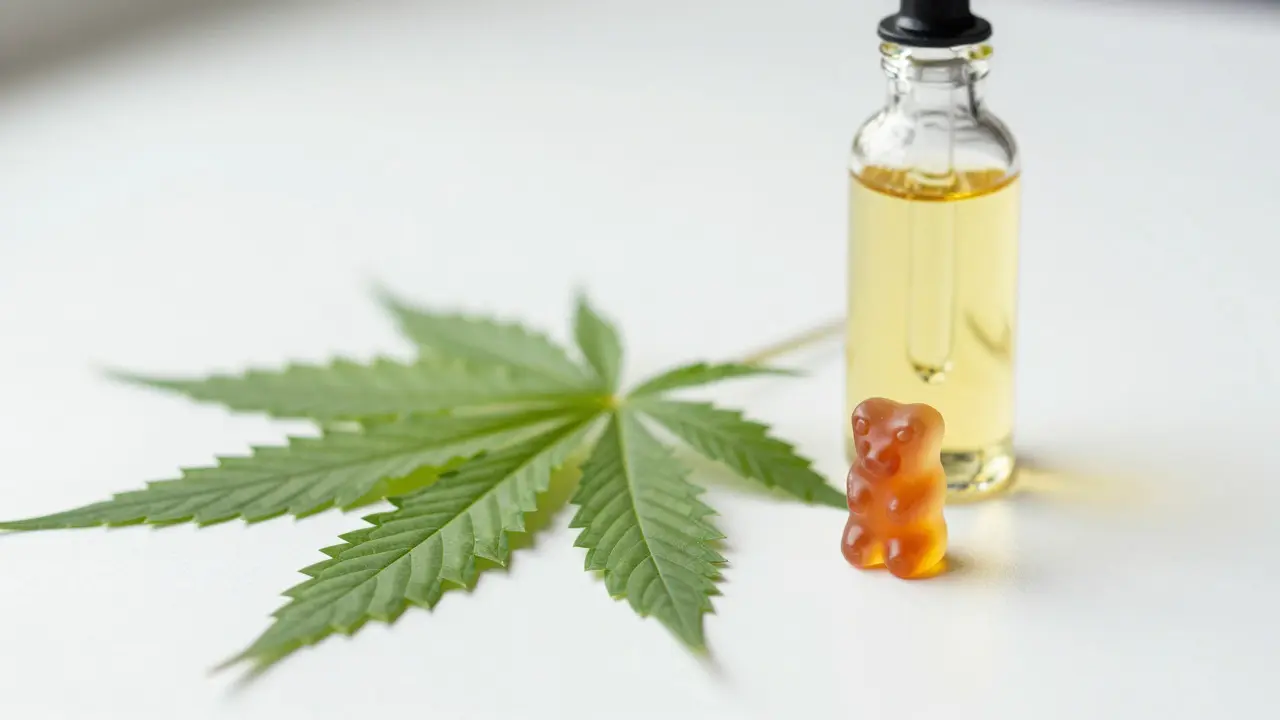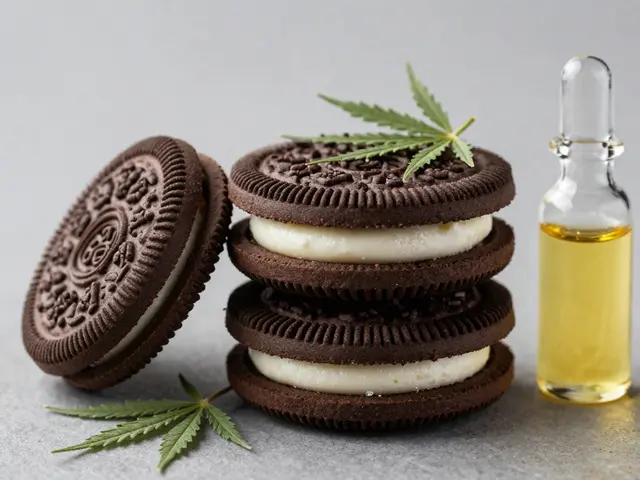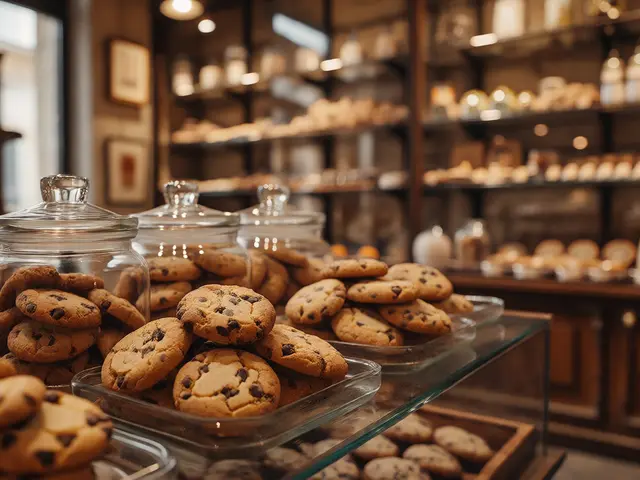
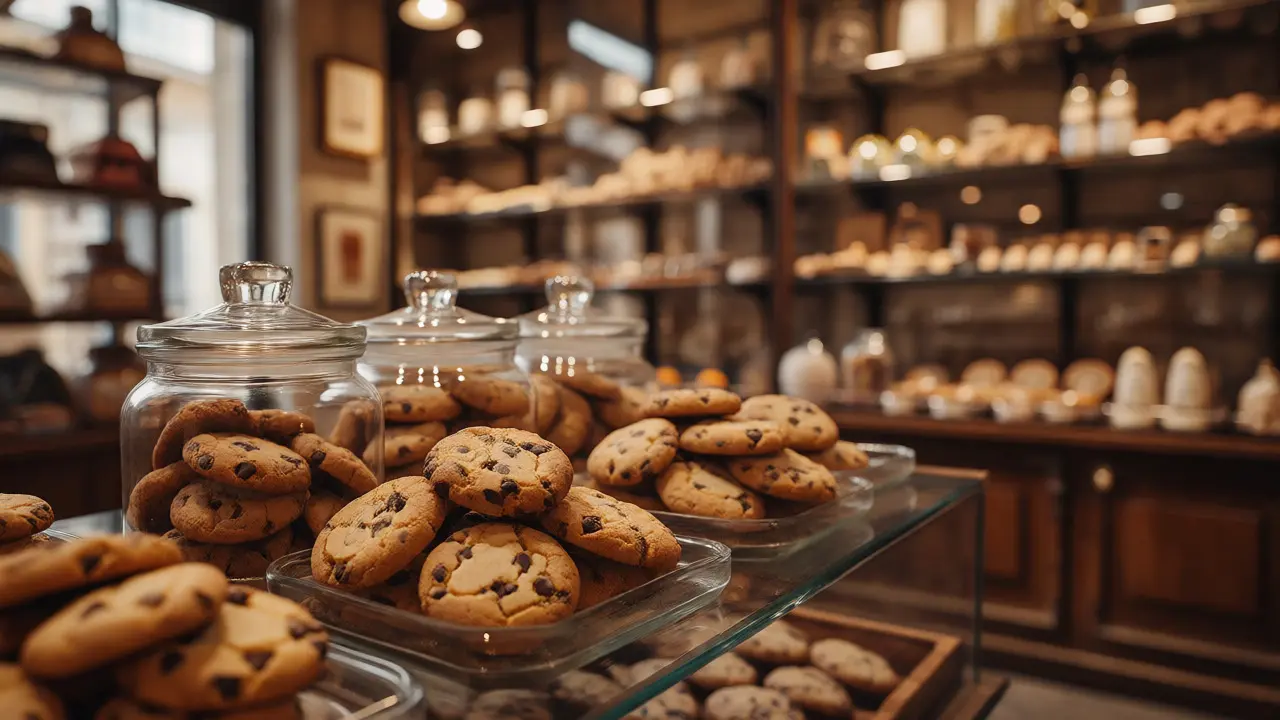
You're standing in a brightly lit souvenir shop in Prague or maybe Amsterdam. The air smells faintly of vanilla and baked goods. You see jars filled with chocolate chip cannabis cookies, baked goods infused with hemp-derived cannabinoids like THC or CBD. They look delicious. They promise relaxation. But here is the million-dollar question: will eating one actually make you feel "high"?
The short answer? It depends entirely on what is inside the cookie, not just what is written on the label. In many tourist hotspots, these treats are legally required to contain very low levels of Tetrahydrocannabinol (THC), the primary psychoactive compound in cannabis responsible for the "high" feeling. Often, they are made with CBD (Cannabidiol), a non-psychoactive cannabinoid known for its calming properties without intoxication. If you eat a standard souvenir cookie in the EU or US, you likely won't get high. You might feel relaxed, but you won't be seeing colors differently or giggling at nothing.
To understand why some cookies buzz and others don't, we need to look at the active ingredients. When people ask if something gets them high, they are asking about psychoactivity. This effect comes almost exclusively from THC binding to CB1 receptors in your brain. Hemp, a variety of the Cannabis sativa plant species grown specifically for industrial use and low THC content, contains negligible amounts of this compound by law.
Most souvenir shops operate under strict regulations. For example, in the European Union, hemp products must contain less than 0.3% THC. In the United States, the federal limit is also 0.3% on a dry weight basis. A cookie weighing 50 grams with 0.3% THC would contain roughly 150 milligrams of total THC before baking. However, during the baking process, much of this degrades or remains inactive unless properly decarboxylated. Even if fully activated, a dose of 5-10 mg of THC is considered a microdose for most adults. It produces mild relaxation, not a strong euphoric high.
If the shop sells genuine medical-grade edibles, the story changes. These are often sold in licensed dispensaries rather than generic souvenir stalls. They might contain 10mg, 25mg, or even 50mg of THC per piece. At those doses, yes, you will definitely feel it. But typical tourist souvenirs? Usually no.
Why do so many people think they got high from a legal cookie? Sometimes it's the placebo effect. You paid $5 for a treat that claims to relax you, so your brain expects relaxation, and you provide it. Other times, it's the entourage effect. While CBD itself doesn't cause intoxication, it interacts with other compounds in the hemp plant. Some users report a subtle shift in mood or reduced anxiety, which can be mistaken for a mild high.
However, there is a risk of mislabeling. Unregulated markets sometimes sell products where the THC content hasn't been tested accurately. A batch could accidentally exceed legal limits due to poor farming practices or inconsistent extraction methods. If you consume multiple cookies rapidly, you might accumulate enough THC to feel a slight buzz, especially if you have a low tolerance.
| Feature | Souvenir Shop Cookie | Licensed Dispensary Cookie |
|---|---|---|
| Primary Cannabinoid | CBD (Non-intoxicating) | THC (Intoxicating) |
| Typical THC Content | < 0.3% (Trace amounts) | 5mg - 50mg per unit |
| Psychoactive Effect | Minimal to None | Moderate to Strong |
| Legal Status | Widely Legal (EU/US Federal) | Varies by Region (Often Restricted) |
| Onset Time | N/A (No high) | 30 - 90 Minutes |
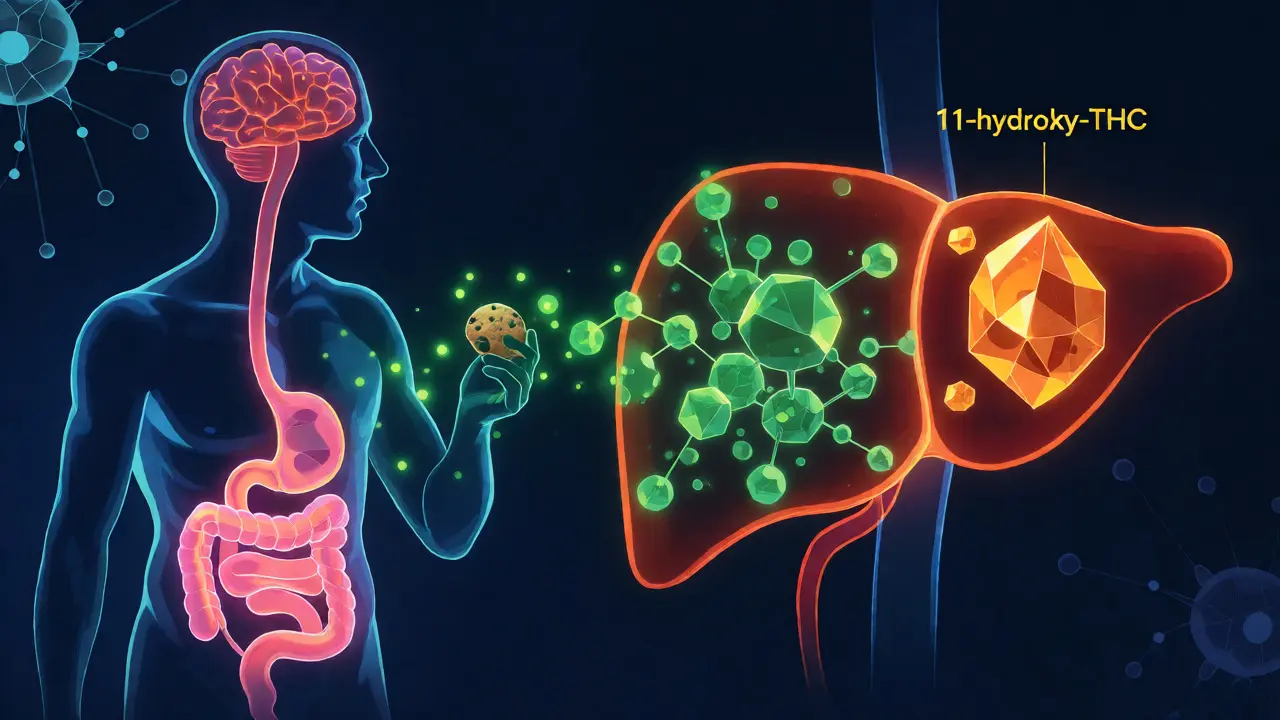
Even if you do consume a product with real THC, eating it is completely different from smoking it. When you inhale smoke, THC enters your bloodstream through your lungs almost instantly. When you eat a cookie, your digestive system has to break down the fats and sugars first. Then, the liver metabolizes the THC into 11-hydroxy-THC, a more potent metabolite produced when the liver processes ingested THC.
This metabolic conversion makes the effects stronger and longer-lasting, but slower to start. Beginners often make the mistake of eating another cookie after 20 minutes because they "don't feel anything yet." By the time the second cookie kicks in, the combined dose hits hard. This is why dosing is critical. If you are buying a souvenir cookie with unknown potency, stick to half a piece if you are sensitive to cannabinoids.
Don't trust the marketing fluff. Ignore words like "magic," "zen," or "trip." Look for specific numbers. A reputable manufacturer will list the total milligrams of CBD and THC per serving. If the label says "Full Spectrum Hemp Extract," it contains all natural compounds found in the plant, including trace THC. If it says "Broad Spectrum" or "Isolate," it should contain zero THC.
In many countries, local laws dictate how much THC can be present in food. In the Czech Republic, for instance, regulations on hemp foods are evolving. Always check the current local legislation if you plan to bring these snacks home across borders. Customs agents may confiscate products with unexpected THC levels, even if they were legal where you bought them.
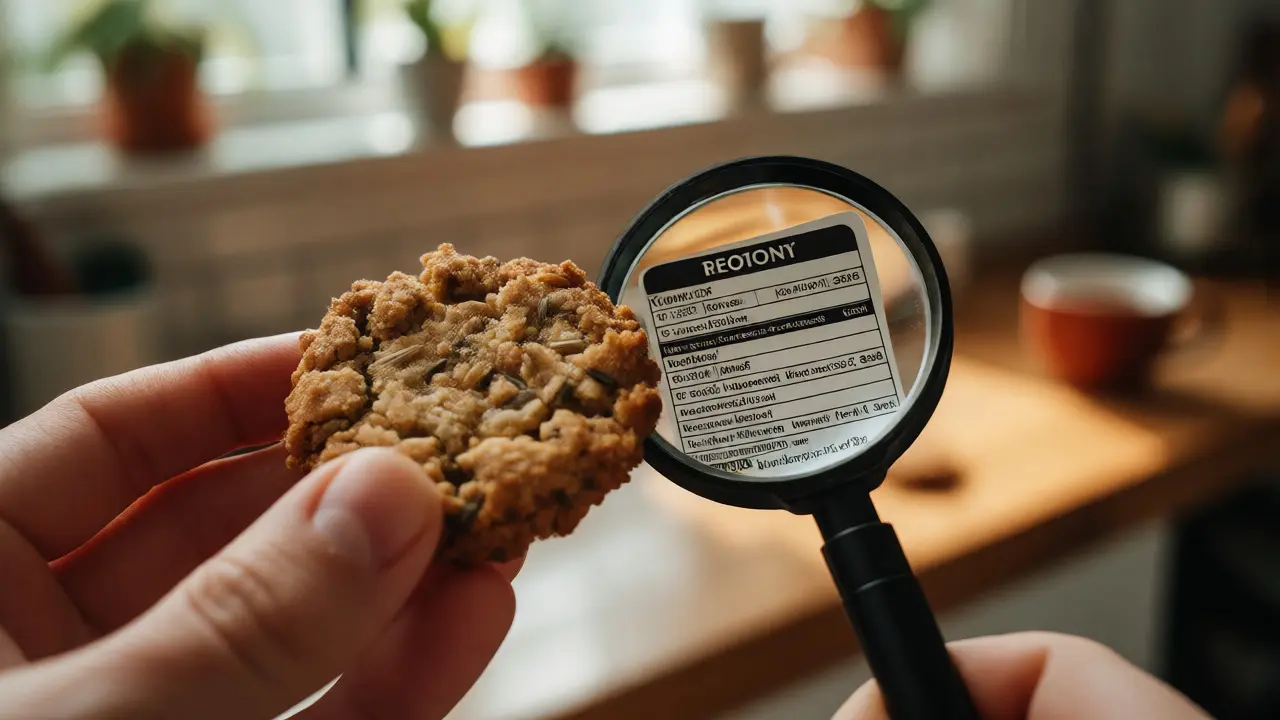
Myth #1: All hemp products get you high. False. Hemp is distinct from marijuana primarily due to THC concentration. You can eat an entire bag of hemp seeds and remain perfectly sober.
Myth #2: If it tastes bitter, it has more THC. Not necessarily. Bitterness often comes from chlorophyll or poor-quality extracts, not potency. High-quality CBD isolate is nearly tasteless.
Myth #3: You can drive immediately after eating them. Caution is advised. Even non-intoxicating CBD can cause drowsiness in some individuals. If the product contains any THC, wait at least two hours before operating heavy machinery to ensure peak effects have passed.
Suppose you bought a cookie abroad, ate two, and suddenly feel lightheaded or anxious. Don't panic. The effects of edibles last several hours, but they will fade. Drink water. Eat plain carbohydrates like bread or crackers to help settle your stomach. Rest in a quiet, dark room. Black pepper contains terpenes that some anecdotal evidence suggests can help reduce anxiety associated with THC overconsumption. Chewing a few peppercorns might offer quick relief.
Remember, the goal of souvenir shopping is enjoyment, not impairment. If you want a guaranteed buzz, buy from a licensed dispensary with clear labeling. If you want a tasty snack with potential wellness benefits, the souvenir shop cookie is a safe, legal choice. Just keep your expectations realistic.
It is unlikely but possible. Standard drug tests screen for THC metabolites. While legal hemp cookies contain very low levels of THC (usually below 0.3%), consuming large quantities over a short period could theoretically trigger a false positive or a positive result if the product was mislabeled. If you have a strict drug test coming up, avoid all hemp-derived edibles for 48-72 hours prior.
THC (Tetrahydrocannabinol) is the psychoactive compound that causes a "high." CBD (Cannabidiol) is non-psychoactive and is used for relaxation and pain relief without intoxication. Most souvenir shop cookies rely on CBD for their effects, meaning they will not get you high, whereas dispensary edibles typically use THC.
If the cookie contains active THC, effects usually begin within 30 to 90 minutes. This delay occurs because the body must digest the food and the liver must convert THC into 11-hydroxy-THC. Never re-dose based on immediate feelings; wait at least two hours to assess the full effect.
Not necessarily. While hemp-derived products with <0.3% THC are legal in the US and many EU countries, international travel rules vary. Some countries strictly prohibit any cannabis-derived products, including CBD, regardless of THC content. Always check the customs regulations of your destination country before purchasing.
Consult a pediatrician. While CBD is generally considered safe, children are more sensitive to cannabinoids. Additionally, the high sugar and fat content in commercial cookies isn't ideal for kids. Keep these treats out of reach of small children to prevent accidental ingestion of higher-than-expected doses.